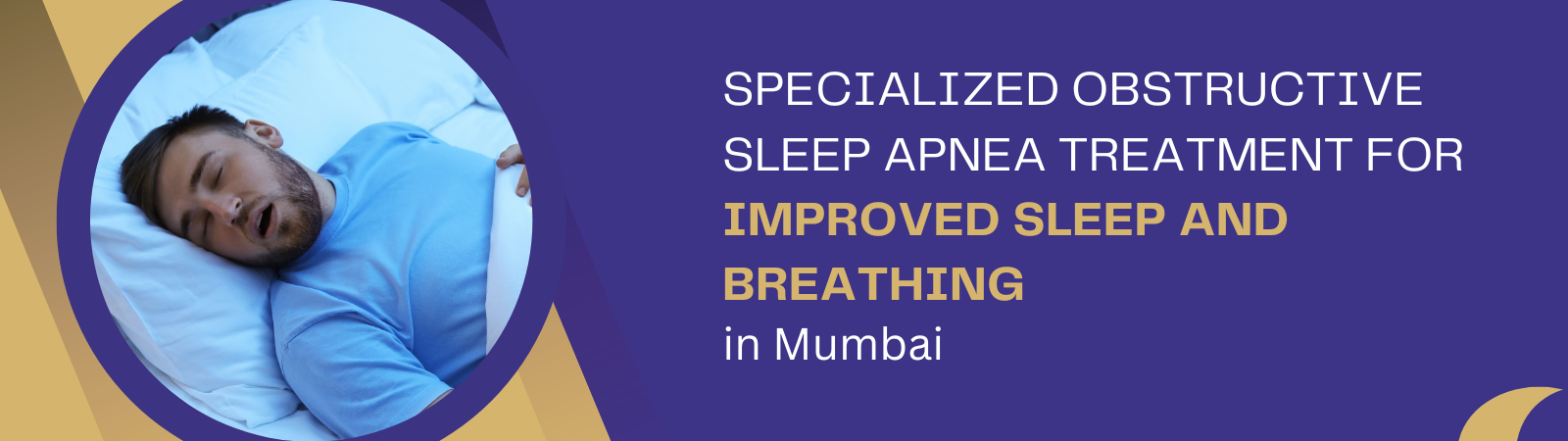
Obstructive Sleep Apnea Treatment in Mumbai
Sleep apnea is a condition where the airway collapses repeatedly during sleep, blocking airflow and causing brief interruptions in breathing. These episodes will eventually have an effect on the heart, brain, and metabolism over time.
And, why is this concerning? Did you know …
The WHO reports that almost 1 billion people worldwide are affected by OSA, but even with these staggering statistics, many of the cases are either undiagnosed or untreated.
Dr. Vikas Agrawal, an accomplished ENT specialist in Mumbai and founder of the Sinus and Snoring Clinic, shares,
“Sleep apnea doesn’t just cause fatigue, it impacts the body’s oxygen supply, increases cardiovascular risk, and affects mental clarity. But there’s good news! With timely diagnosis and advanced treatment, patients can regain restful sleep and restore their health. Patients today have access to advanced cutting edge, individualized, patient focused, result oriented OSA treatments that go beyond symptom control to address the root cause.”
If poor sleep or constant tiredness has become your norm, it’s time to uncover what’s really behind it.
Common Medical Conditions Associated with Obstructive Sleep Apnea
At the Sinus and Snoring Clinic in Mumbai, our ENT experts begin with CBCT of the nose and paranasal sinuses as the initial test to evaluate structural causes. This is followed by a polysomnography sleep study to assess breathing patterns during sleep, and when required, drug induced sleep endoscopy is performed to precisely identify the exact site of airway obstruction. It is often linked to several other health issues, such as:

Hypertension
Repeated drops in oxygen levels can increase blood pressure over time.

Cardiovascular Disease
OSA raises the risk of heart attack, stroke, and arrhythmias.

Type 2 Diabetes
Disturbed sleep affects glucose metabolism and insulin sensitivity.

Obesity
Extra fat around the neck can obstruct airways, worsening OSA symptoms. And chronic hypoxia due to OSA slows down metabolism causing weight gain

Depression and Anxiety
Chronic fatigue and poor-quality sleep can impact mental well-being.

GERD (Gastroesophageal Reflux Disease):
The pressure changes during apnea episodes can trigger acid reflux.
Dr. Vikas Agrawal, a leading ENT specialist in Mumbai, emphasizes,
“Treating OSA isn’t just about improving sleep. It’s about preventing a chain reaction of health problems that stem from inadequate oxygenation. A multidisciplinary approach ensures that the body heals comprehensively.”
Comprehensive Diagnostic and Surgical Solutions for Obstructive Sleep Apnea at Sinus and Snoring
The Sinus and Snoring Clinic focuses on advanced, patient-centered care for Obstructive Sleep Apnea. Treatment is planned based on what will deliver the fastest and most long-lasting improvement.
These procedures help create a strong airway foundation and support overall health. Lifestyle changes and supportive devices are then recommended for long-term maintenance based on individual needs. The objective is simple: enhance sleep, improve daily wellbeing, and reduce the risk of lifestyle-related health issues.
Diagnostic Tests for Obstructive Sleep Apnea at Sinus and Snoring Clinic

CBCT of Nose and PNS
A high-precision 3D scan that shows sinus and airway structure in detail for accurate diagnosis.

Sleep Study or Home-Based Polysomnography (For assessing sleep apnea)
A portable device monitors breathing, snoring, and oxygen levels while you sleep at home.

Drug-Induced Sleep Endoscopy (DISE)
This procedure enables the surgeon to identify the exact level of obstruction while the patient is in a sleep-like state, ensuring accuracy and better long-term results.

Nasal Endoscopy
A minimally invasive procedure to examine and clear nasal blockages, improving airflow.
Advanced Treatment Options for Obstructive Sleep Apnea at Sinus and Snoring Clinic

SMELL Technique (Submucosal Midline Endoscopic Lingual Base Lysis)
Developed by Dr. Agrawal, this cutting-edge technique treats severe OSA by improving airway space without external scars. It’s especially beneficial for patients who need long-term relief without extensive surgery.

Endoscopic Nose and Sinus Surgery
This procedure utilizes a small camera to remove obstructions in the nasal passages and sinuses, improving airflow and relieving symptoms.

Coblation-Assisted Procedures
The clinic uses coblation technology, a minimally invasive method that removes excess tissue with controlled plasma energy. It’s particularly effective for reducing soft palate or tongue obstruction with minimal pain and recovery time.
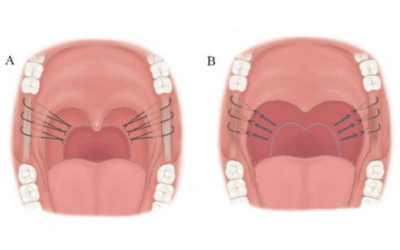
Suspension Bridge Palatoplasty
A technique developed by Dr. Vikas Agrawal to correct palate collapse and restore airway function.

Robotic Sleep Apnea Surgery
Dr. Vikas Agrawal introduced India’s first robotic base tongue surgery for OSA. This advanced technique allows precise tissue removal from deep areas of the throat using robotic arms, significantly improving airflow and reducing snoring.

Oral Appliances
These customized dental devices reposition the jaw and tongue to keep the airway open. They’re compact, non-invasive, and ideal for patients who cannot tolerate CPAP.

Lifestyle Modifications
For mild cases, weight management, avoiding alcohol, and positional therapy can significantly improve symptoms.
“Modern OSA surgery is about precision, not just correction,” says Dr. Vikas Agrawal, a pioneering sleep apnea surgeon in Mumbai. “By combining robotic technology with a patient-centric approach, we achieve results that are both effective and minimally invasive.”
Cost is often a deciding factor when planning advanced medical care. Here’s what you should know before taking the next step.
Cost of Obstructive Sleep Apnea Treatment in Mumbai
The cost of OSA treatment in Mumbai can vary based on multiple factors such as the severity of the condition, type of diagnostic tests required, and whether surgical intervention is needed.
Typically, the treatment cost includes the initial consultation and sleep study, CPAP or oral appliances, and any required surgical procedures. Other influencing factors include hospital facilities, technology used, and post-treatment care requirements. While robotic-assisted procedures may seem costlier, they often offer faster recovery and long-term benefits, making them a worthwhile investment.
Beyond treatment and costs, what truly defines a trusted healthcare center is the team’s expertise and commitment to care.
Why Choose Our Clinic?
The Sinus and Snoring Clinic, founded by Dr. Vikas Agrawal, stands as one of the most advanced ENT centers offering comprehensive solutions for sinus, snoring, and adenoid-related conditions.
Here’s what makes this clinic a preferred destination for patients:
Expert Leadership: Under the guidance of Dr. Agrawal, a renowned ENT specialist in Mumbai, the clinic offers a blend of innovation and compassionate care.
Advanced Techniques: From coblation and robotic-assisted procedures to world-class endoscopy systems and navigation guidance for deep vital structures, the clinic combines precision technology with skilled expertise.
Personalized Treatment: Every patient receives a customized care plan designed for long-term relief and faster recovery.

Comprehensive Aftercare: Continuous follow-ups and post-operative support to ensure a smooth recovery process.
“What sets our clinic apart is our commitment to precision and patient comfort,” shares Dr. Vikas Agrawal, a respected ENT specialist in Mumbai. “We focus on restoring natural breathing and confidence—helping patients live freely again.”
Still have questions about what OSA really means for your health? Let’s address some commonly misunderstood aspects below.
Frequently Asked Questions
1. Can lifestyle changes alone cure obstructive sleep apnea?
Lifestyle changes can significantly improve mild cases of OSA. Reducing weight, avoiding alcohol before bedtime, and maintaining regular sleep schedules can help. However, moderate to severe cases often require medical or surgical intervention.
2. How is OSA diagnosed?
Diagnosis involves a detailed history, clinical examination, CBCT imaging, and a sleep study called polysomnography to monitor breathing, oxygen levels, and heart rhythm during sleep. DISE may also be performed if needed to identify the site of airway blockage and guide treatment planning.
3. Are advanced surgical techniques and equipment necessary and safe?
Yes, advanced surgical equipment like Coblation, Debrider, piezoelectric wand, navigation system and robotic surgery are all safe when used by experts and after due consideration of patient needs. These techniques and equipment allow precise treatment solutions to be executed.
4. What happens if sleep apnea is left untreated?
Untreated OSA can lead to serious complications such as high blood pressure, heart disease, memory problems, and increased risk of stroke. It can also cause persistent fatigue and affect daily performance.
5. How long does recovery take after surgery?
Recovery time varies based on the procedure and a patient’s overall health. Endoscopic and advanced treatment approaches often support a faster recovery, helping patients gradually return to daily activities within one to two weeks in most cases.
Disclaimer: The information shared in this content is for educational purposes only and not for promotional use.